A buyer, process engineer, laboratory technician and existing product user do not begin with the same question. Each path preserves context and converges on ASK Europolish.
Component and material, surface and target, current process. Machine details are optional.
What the finder returnsProcess architectureNamed catalogue matchesMissing critical inputsRecommended validation action
Complete process
Prepare → Cut → Polish → Superfinish.
The process is a decision chain, not a mandatory four-step recipe. Skip a stage when evidence shows it is unnecessary; add one only when it creates measurable value.
01
Prepare
Remove burrs, scale, forming damage or previous grinding structure. Select abrasive tool, contact mechanics and geometry.
Hilzinger-Thum grinding, deburring and satinizing tools
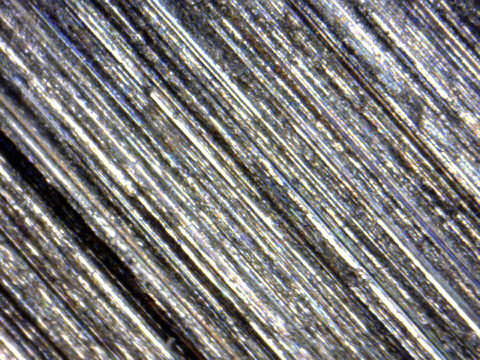
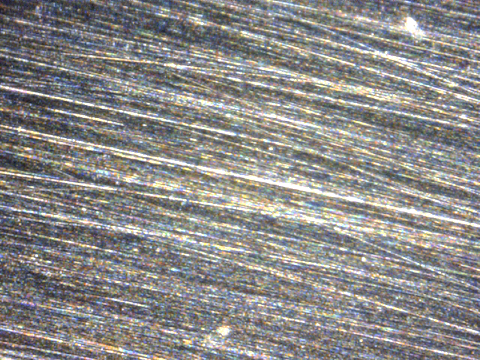
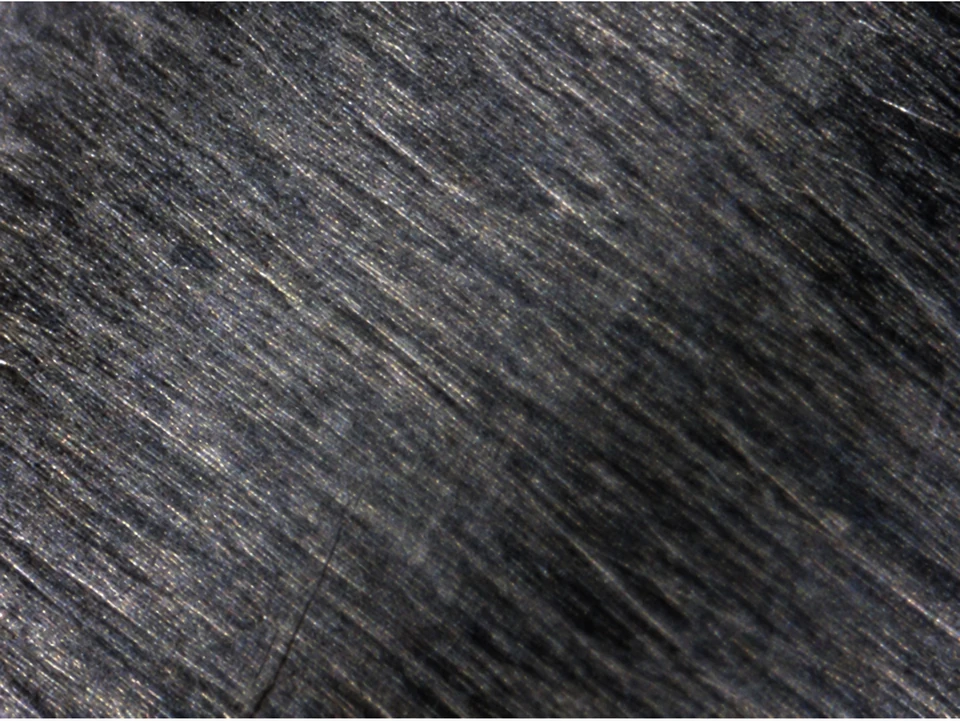
Surface photographs from the Europolish presentation, optimized for clarity. Representative finishing stages.
Evidence protocol
A credible site must show what each statement is based on.
Product data, engineering judgement and unresolved application risk are visually different. Source links and limits stay beside the claim instead of disappearing into a disclaimer.
Catalogue evidence
Exact information reproduced from a named public company source.
Engineering recommendation
A reasoned starting route with assumptions and missing inputs visible.
Test required
No production release until the application, tool and operating window have been verified.
PUBLIC DATA
Named source, visible scale.
Where an official catalogue publishes cut, colour, abrasive power, bonding, dimensions or tool construction, the site reproduces the exact field and links to the source.
The first release now exposes real public values instead of stopping at family names. Different source scales remain separate, because converting them into one artificial score would be misleading.
Each industry page starts from production reality: part geometry, likely defects, acceptance criteria, cleaning, automation and the evidence needed to release a route.
A route is made production-ready through an application brief, evidence review, test design, measurable acceptance criteria, line transfer and controlled release.
The website should not end at “contact us.” It prepares the evidence and routes the request to the correct technical, laboratory or commercial action.
Process recommendationDefect troubleshootingTDS / SDSSample or lab testProduct matchQuotation
Structured handoffASK / EP-NEXT
1Build or retrieve the application brief
2Copy the brief and open ASK with request context
3Expert team verifies documents, test or commercial action
Build ASK requestOpen portal directly ↗Brief prepared locally. Nothing has been sent. Copy it, open ASK and paste it there. Automatic transfer and receipt have not been verified.
Global network
Market and language are separate decisions.
The selected market determines the responsible commercial path. Content language changes how information is read, not who owns the customer relationship or which products are available.
ItalyUSAUKGermanyHong KongShanghaiThailand
Polyasia Co., Ltd. is an independent company operating under licence from Europolish. It is not part of the Europolish / Hilzinger-Thum group.
Does a catalogue match mean the product is approved for my line?
No. It means the product or tool appears in a named public source for a relevant material, stage or application. A production release still needs the actual part, machine, tool construction, parameters and acceptance criteria.
Why are cut, colour, abrasive power and bonding shown on different scales?
They are reproduced exactly from different official product tables. The site does not convert them into a single cross-family score because that would create false comparability.
Can ASK Europolish receive the Solution Finder brief?
Brief prepared locally. Nothing has been sent. Copy it, open ASK and paste it there. Automatic transfer and receipt have not been verified.
Next action
Turn the surface problem into a technical brief.
Keep the material, current process, target, constraints and evidence status together. ASK Europolish is the next step for expert review, documents, samples and quotation.
A buyer, process engineer, laboratory technician and existing product user do not begin with the same question. Each path preserves context and converges on ASK Europolish.
Component and material, surface and target, current process. Machine details are optional.
What the finder returnsProcess architectureNamed catalogue matchesMissing critical inputsRecommended validation action
Complete process
Prepare → Cut → Polish → Superfinish.
The process is a decision chain, not a mandatory four-step recipe. Skip a stage when evidence shows it is unnecessary; add one only when it creates measurable value.
01
Prepare
Remove burrs, scale, forming damage or previous grinding structure. Select abrasive tool, contact mechanics and geometry.
Hilzinger-Thum grinding, deburring and satinizing tools
Surface photographs from the Europolish presentation, optimized for clarity. Representative finishing stages.
Evidence protocol
A credible site must show what each statement is based on.
Product data, engineering judgement and unresolved application risk are visually different. Source links and limits stay beside the claim instead of disappearing into a disclaimer.
Catalogue evidence
Exact information reproduced from a named public company source.
Engineering recommendation
A reasoned starting route with assumptions and missing inputs visible.
Test required
No production release until the application, tool and operating window have been verified.
PUBLIC DATA
Named source, visible scale.
Where an official catalogue publishes cut, colour, abrasive power, bonding, dimensions or tool construction, the site reproduces the exact field and links to the source.
The first release now exposes real public values instead of stopping at family names. Different source scales remain separate, because converting them into one artificial score would be misleading.
Each industry page starts from production reality: part geometry, likely defects, acceptance criteria, cleaning, automation and the evidence needed to release a route.
A route is made production-ready through an application brief, evidence review, test design, measurable acceptance criteria, line transfer and controlled release.
The website should not end at “contact us.” It prepares the evidence and routes the request to the correct technical, laboratory or commercial action.
Process recommendationDefect troubleshootingTDS / SDSSample or lab testProduct matchQuotation
Structured handoffASK / EP-NEXT
1Build or retrieve the application brief
2Copy the brief and open ASK with request context
3Expert team verifies documents, test or commercial action
Build ASK requestOpen portal directly ↗Brief prepared locally. Nothing has been sent. Copy it, open ASK and paste it there. Automatic transfer and receipt have not been verified.
Global network
Market and language are separate decisions.
The selected market determines the responsible commercial path. Content language changes how information is read, not who owns the customer relationship or which products are available.
ItalyUSAUKGermanyHong KongShanghaiThailand
Polyasia Co., Ltd. is an independent company operating under licence from Europolish. It is not part of the Europolish / Hilzinger-Thum group.
Does a catalogue match mean the product is approved for my line?
No. It means the product or tool appears in a named public source for a relevant material, stage or application. A production release still needs the actual part, machine, tool construction, parameters and acceptance criteria.
Why are cut, colour, abrasive power and bonding shown on different scales?
They are reproduced exactly from different official product tables. The site does not convert them into a single cross-family score because that would create false comparability.
Can ASK Europolish receive the Solution Finder brief?
Brief prepared locally. Nothing has been sent. Copy it, open ASK and paste it there. Automatic transfer and receipt have not been verified.
Next action
Turn the surface problem into a technical brief.
Keep the material, current process, target, constraints and evidence status together. ASK Europolish is the next step for expert review, documents, samples and quotation.